Reach Truck vs Order Picker: Aisle Width and Vertical Reach
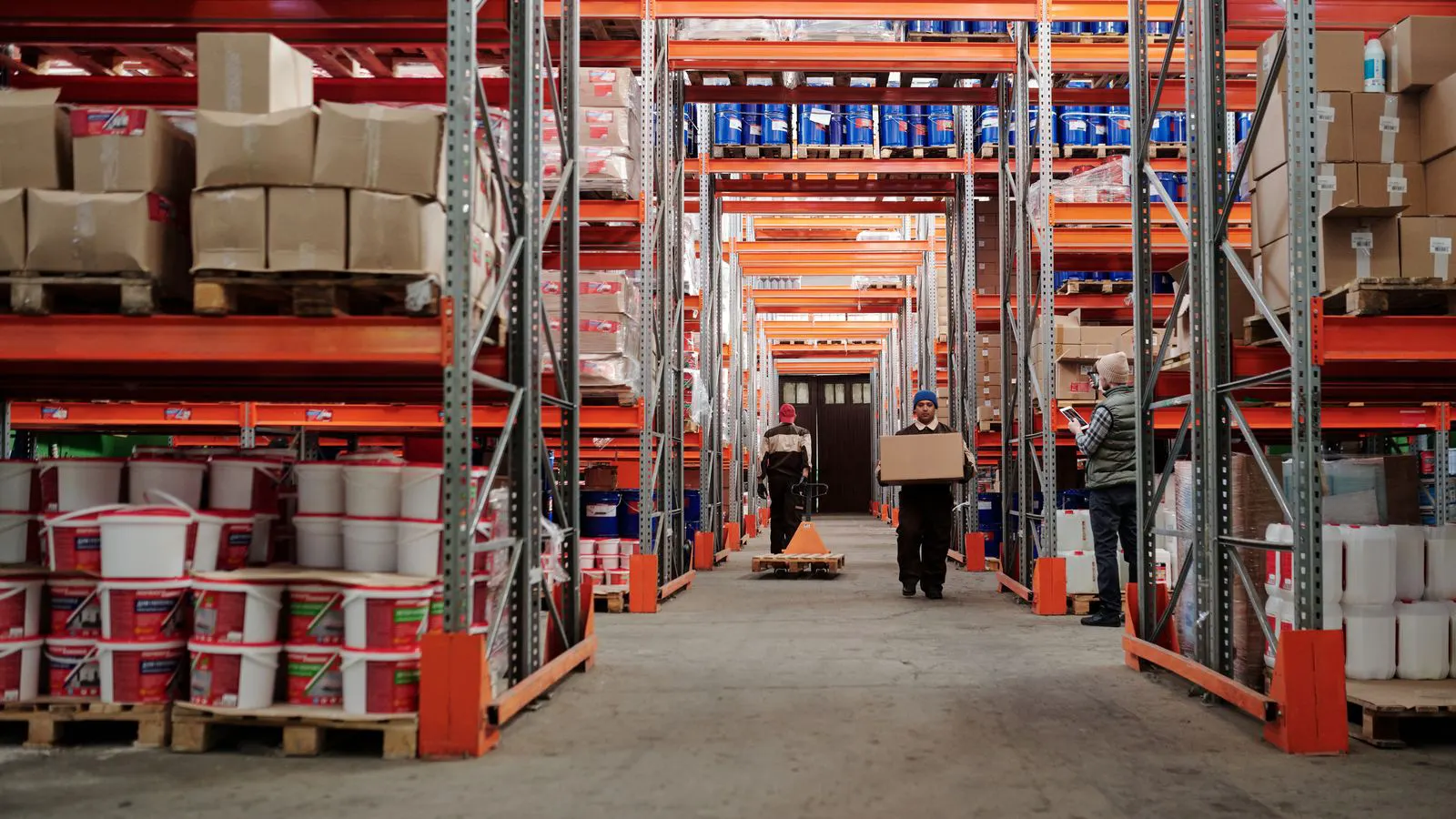
A reach truck excels in narrow aisles with high racking, while an order picker is built for low-level picking and tight turning. Choose based on rack height, aisle dimensions, and pick frequency.
- A reach truck handles taller racking and tighter aisles than most counterbalance units.
- An order picker focuses on low-level picking with a cabin or basket for the operator.
- Aisle width depends on the truck's turn radius and the rack depth.
- Vertical reach is determined by the mast height and the load's center of gravity.
How Aisle Width Limits Truck Selection
Warehouse aisles set the physical boundaries for material handling equipment. A standard aisle width of two to three meters allows counterbalance forklifts to operate with standard pallets. Narrower spaces require different geometry. The turn radius of the truck must fit within the available floor space. A truck that cannot turn without hitting the rack face causes damage and delays.
Reach trucks are designed for narrow aisles. They use a telescoping mast that extends forward and retracts backward. This design keeps the load close to the truck during travel. The operator can pick and place pallets without turning the entire machine. This reduces the footprint required for the maneuver.
Order pickers use a different approach. They are often smaller in profile but have a higher center of gravity. The operator sits in a cab or stands in a basket. The truck moves the operator up to the pick face. The vehicle itself is typically wider than a reach truck. This limits the minimum aisle width. If the rack depth is standard, the order picker needs more lateral space to align with the pallet.
Vertical Reach and Mast Configuration
Vertical reach determines the height of the racking the truck can access. This is a function of the mast height and the load’s center of gravity. A high racking system requires a mast that extends well above the pallet. The mast also needs to lift the load safely while maintaining stability.
Reach trucks are built for high racking. The telescoping mast extends upward and forward. The mast sections nest together to save space when stowed. When extended, the mast allows the truck to reach racking heights that exceed standard forklift capabilities. The load is held in a cradle. This keeps the pallet stable during the lift and extension.
Order pickers handle lower racking. The operator rides up in a basket. The truck’s mast is shorter. The vertical travel is limited by the stability of the operator platform. If the truck is too tall, the center of gravity shifts. This increases the tipping risk. For high racking, an order picker is usually not the right tool. The reach truck holds the load in a secure position while the operator guides it into the slot.
Comparison of Operational Capabilities
| Option | Best for | Limitations |
|---|---|---|
| Reach Truck | Narrow aisles, high racking, palletized goods | Higher purchase cost, requires trained operator |
| Order Picker | Low racking, high-frequency picking, small items | Wider aisle requirement, limited vertical height |
| Counterbalance Forklift | Wide aisles, general material handling | Large turn radius, low vertical efficiency |
| Pallet Jack | Very narrow aisles, low racking | Manual or electric only, no vertical lift |
The table highlights the trade-offs. A reach truck offers the best combination of narrow aisle operation and high vertical reach. An order picker is superior for picking individual items from low shelves. The counterbalance forklift is the default for general warehousing but struggles in tight spaces. A pallet jack is a supplementary tool for moving pallets at ground level.
Choosing Based on Aisle Dimensions
Measure the aisle width at the narrowest point. This includes the rack depth and the clearance on both sides. A standard pallet is one point two meters deep. The truck needs enough space to clear the pallet without contacting the racking.
For a reach truck, the minimum aisle width is often around two meters. This allows the truck to pick and place pallets in a tight space. The telescoping mast reduces the need for a wide turn. The truck can pick a pallet from a slot and drive straight away. This motion is efficient and safe.
For an order picker, the aisle width must be larger. The truck must turn to align with the pallet. The operator platform adds to the width. The minimum aisle width is often closer to three meters. If the aisle is narrower, the order picker cannot operate safely. The risk of collision with the rack is high.
Vertical Reach and Racking Height
Determine the height of the racking. Measure from the floor to the top of the highest slot. The truck must have a mast that reaches this height plus the pallet height. The load must be lifted to the slot height. The mast must extend above the pallet to ensure the forks are above the slot.
Reach trucks have mast heights that vary widely. Some models reach heights of six meters or more. Others can exceed ten meters. The mast extends upward and forward. The telescoping design allows the truck to access high slots without moving the entire vehicle. This is efficient for high-density storage.
Order pickers have a limited vertical reach. The operator platform rises with the mast. The height is usually limited to four or five meters. Beyond this, the stability decreases. The operator platform becomes a hazard if the truck tips. For high racking, a reach truck is the standard solution. The load is secured in the cradle. The operator guides the truck to the slot.
Practical Considerations for Tight Aisles
Tight aisles require careful planning. The truck must fit without damaging the racks. The racking must be rated for the load. The floor must be level and free of debris. The lighting must be adequate for the operator to see the pallet and the slot.
A reach truck is well suited for tight aisles. The operator can work in a confined space. The truck’s footprint is small. The telescoping mast allows precise placement. The operator must be trained to handle the extended mast. The load must be balanced. An unbalanced load increases the tipping risk.
An order picker is less suited for tight aisles. The truck is wider. The operator platform adds to the width. The truck must turn to pick a pallet. This requires more space. If the aisle is narrow, the order picker cannot operate safely. The risk of collision is high. A reach truck is the better choice for narrow aisles with high racking.
When to Pick Each Option
Pick a reach truck when the racking is high and the aisles are narrow. This is the standard for high-density pallet storage. The truck handles palletized goods efficiently. The operator picks and places pallets without turning the vehicle. This reduces the time per cycle.
Pick an order picker when the racking is low and the picking frequency is high. This is the standard for picking individual items from shelves. The operator rides up to the shelf. The truck moves the operator to the pick face. This is efficient for small, high-value items.
Pick a counterbalance forklift when the aisles are wide and the racking is standard. This is the standard for general warehousing. The truck moves pallets easily. The operator can load and unload trucks. This is the most versatile option.
Pick a pallet jack when the aisles are very narrow and the racking is low. This is the standard for moving pallets at ground level. The operator pushes or pulls the pallet. The jack has no vertical lift. This is a supplementary tool.
Final Thoughts
The choice between a reach truck and an order picker depends on the warehouse layout. Measure the aisle width and the racking height. A reach truck fits tight aisles and high racking. An order picker fits wide aisles and low racking. The counterbalance forklift fits wide aisles and standard racking. The pallet jack fits narrow aisles and low racking.
Select the truck that matches the physical dimensions of the warehouse. A reach truck is the best fit for high-density storage. An order picker is the best fit for high-frequency picking. The counterbalance forklift is the best fit for general material handling. The pallet jack is the best fit for low-level pallet movement.
The decision is practical. It is based on the geometry of the warehouse and the nature of the goods. A reach truck handles tall pallets in narrow spaces. An order picker handles small items in wider spaces. The right truck keeps the warehouse running safely and efficiently.
Frequently asked questions
What is the minimum aisle width for a reach truck?
The minimum aisle width for a reach truck is typically around two meters. This allows the telescoping mast to pick and place pallets without turning the vehicle.
Can an order picker handle high racking?
An order picker is generally limited to low racking, usually up to four or five meters. Beyond this height, the stability of the operator platform decreases, increasing the tipping risk.
What is the difference between a reach truck and a counterbalance forklift?
A reach truck uses a telescoping mast to access pallets in narrow aisles and high racking. A counterbalance forklift uses a counterweight for stability and requires wider aisles for turning.
How does vertical reach affect truck selection?
Vertical reach determines the height of the racking the truck can access. A reach truck can reach higher racking than an order picker. The mast height and load center of gravity are key factors.
When should you choose a pallet jack?
Choose a pallet jack for very narrow aisles and low racking. It is a manual or electric tool for moving pallets at ground level. It has no vertical lift and is a supplementary tool.