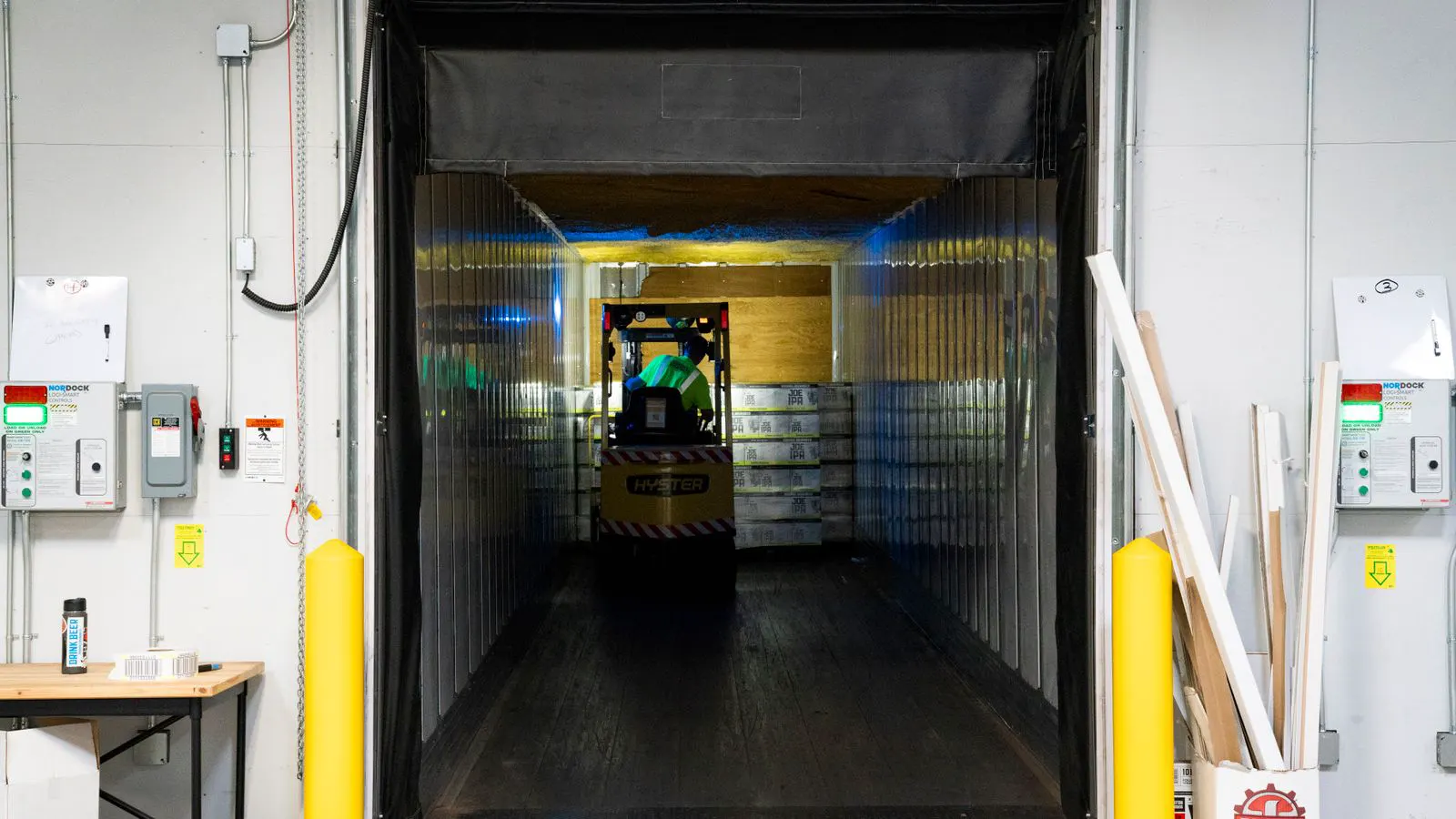
Batteries & Charging
How to Schedule Lithium Battery Charging in Multi-Shift Facilities
Coordinate lithium battery charging across multiple warehouse shifts by mapping usage to shift lengths, reserving specific charging bays, and defining handover
Clear guidance for selecting and operating industrial lift trucks
Buying a lift truck involves more than comparing model numbers. Decisions depend on payload, reach, battery chemistry, service intervals, and supplier support. This site breaks those variables into plain terms so buyers can ask sharper questions and review quotations with confidence.
The content covers electric and IC engine trucks, warehouse variants, attachments, charging systems, total ownership costs, and supplier selection. Each section focuses on the checks, documents, and trade-offs that shape a purchase or fleet upgrade.
Start with the stage of the sourcing process you are in.
Compare electric forklift types, battery options, and operating costs to select the right powertrain for your facility.
Review internal combustion forklift features, fuel efficiency, and suitability for outdoor or heavy duty material handling.
Explore compact, reach, and order pick trucks designed for tight aisles, vertical storage, and efficient warehouse operations.
Evaluate forklift attachments such as forks, rollers, and pushers to match equipment to specific material handling tasks.
Understand lead acid and lithium battery systems, charging strategies, and maintenance practices for electric lift trucks.
Analyze purchase price, operating expenses, and lifecycle costs to calculate the true total cost of ownership for forklifts.
Learn how to evaluate forklift suppliers based on service, financing options, warranty terms, and after sales support.
Coordinate lithium battery charging across multiple warehouse shifts by mapping usage to shift lengths, reserving specific charging bays, and defining handover
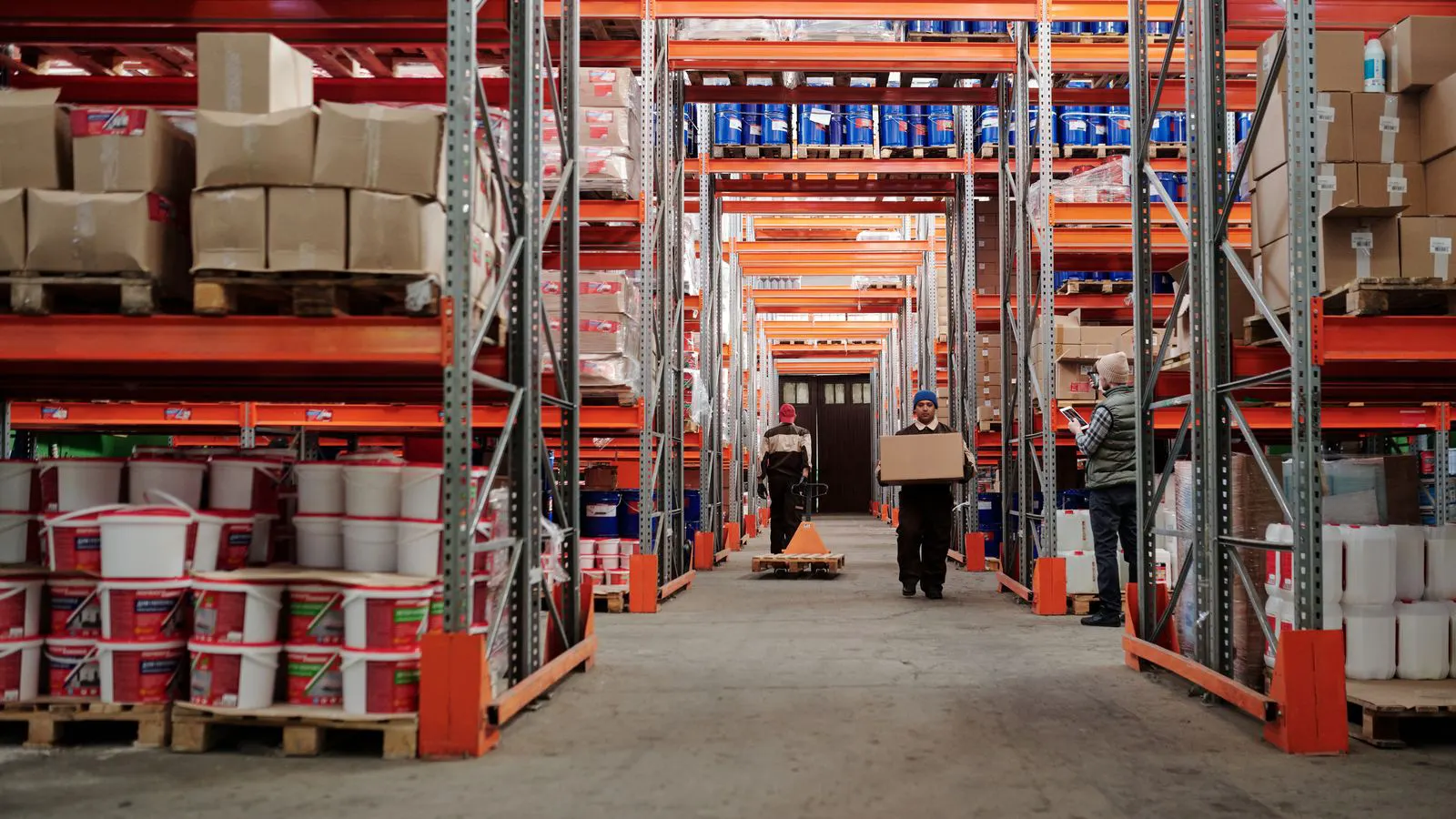
A reach truck excels in narrow aisles with high racking, while an order picker is built for low-level picking and tight turning. Choose based on rack height, aisle
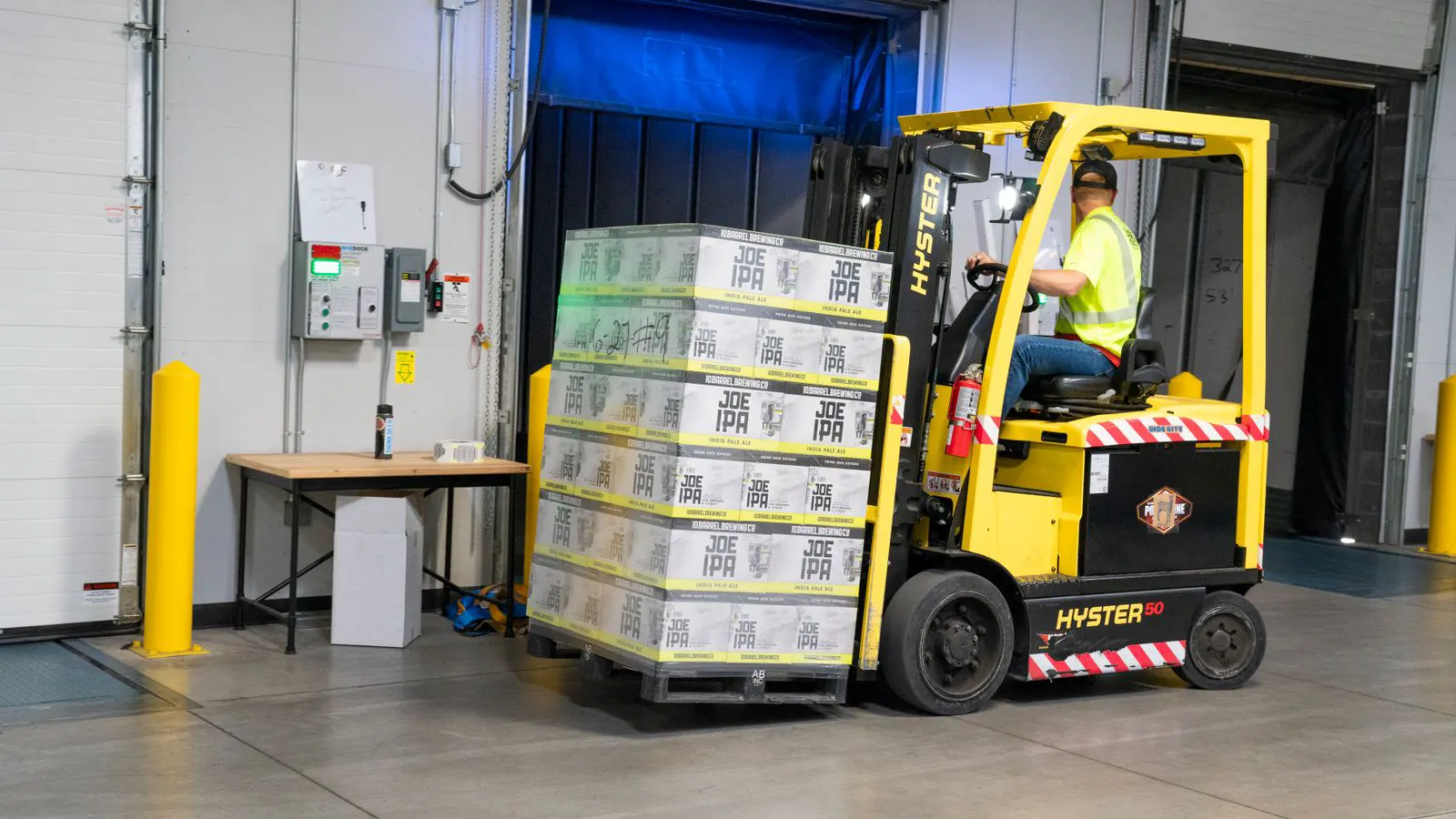
Forklift forks must match the pallet dimensions they carry. Fork width determines stability, while fork height sets the stacking limit. Choose based on pallet type, load
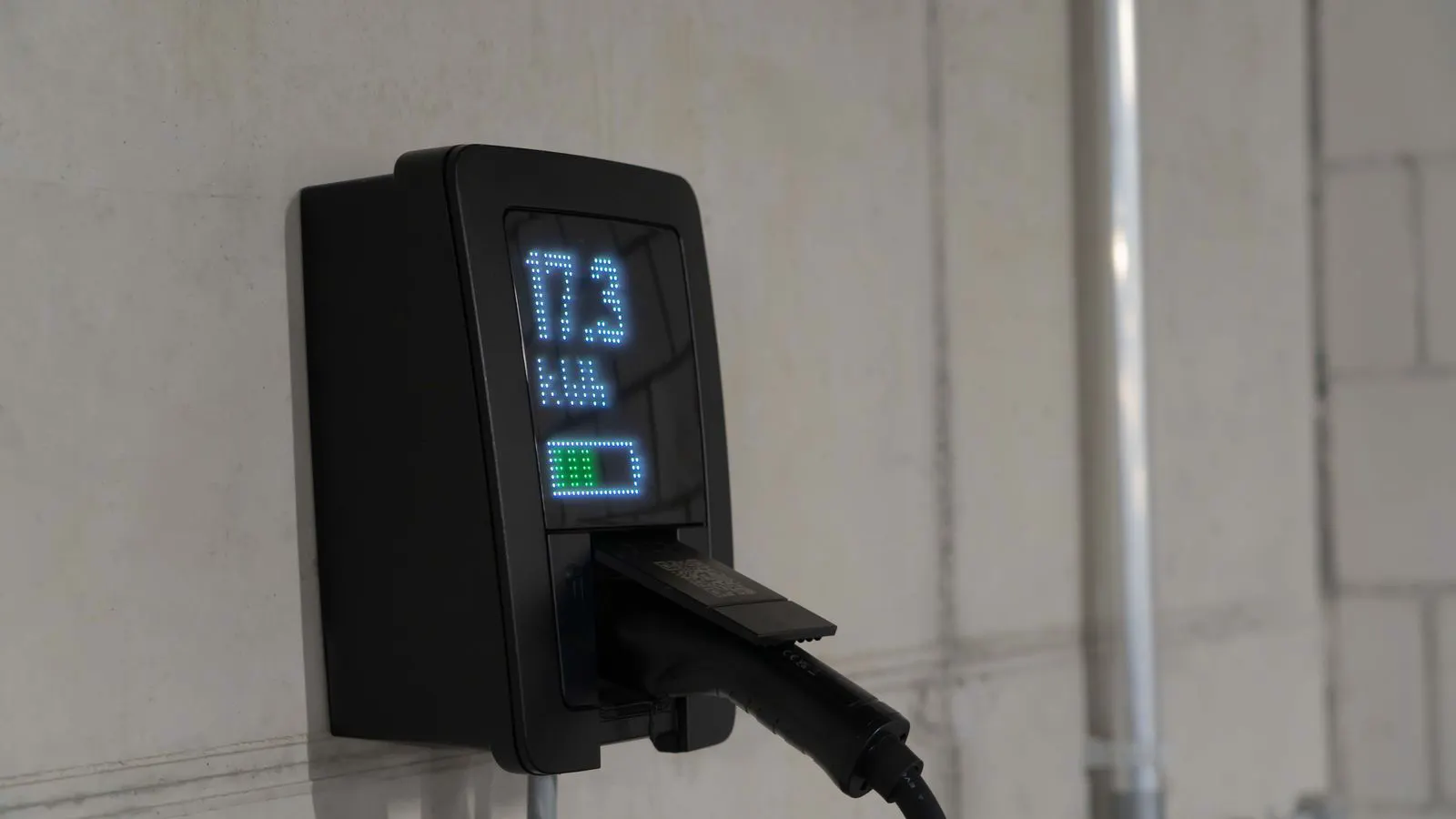
Determine electric forklift battery capacity by calculating total load work per shift, applying derating factors for temperature and age, and matching the result to a
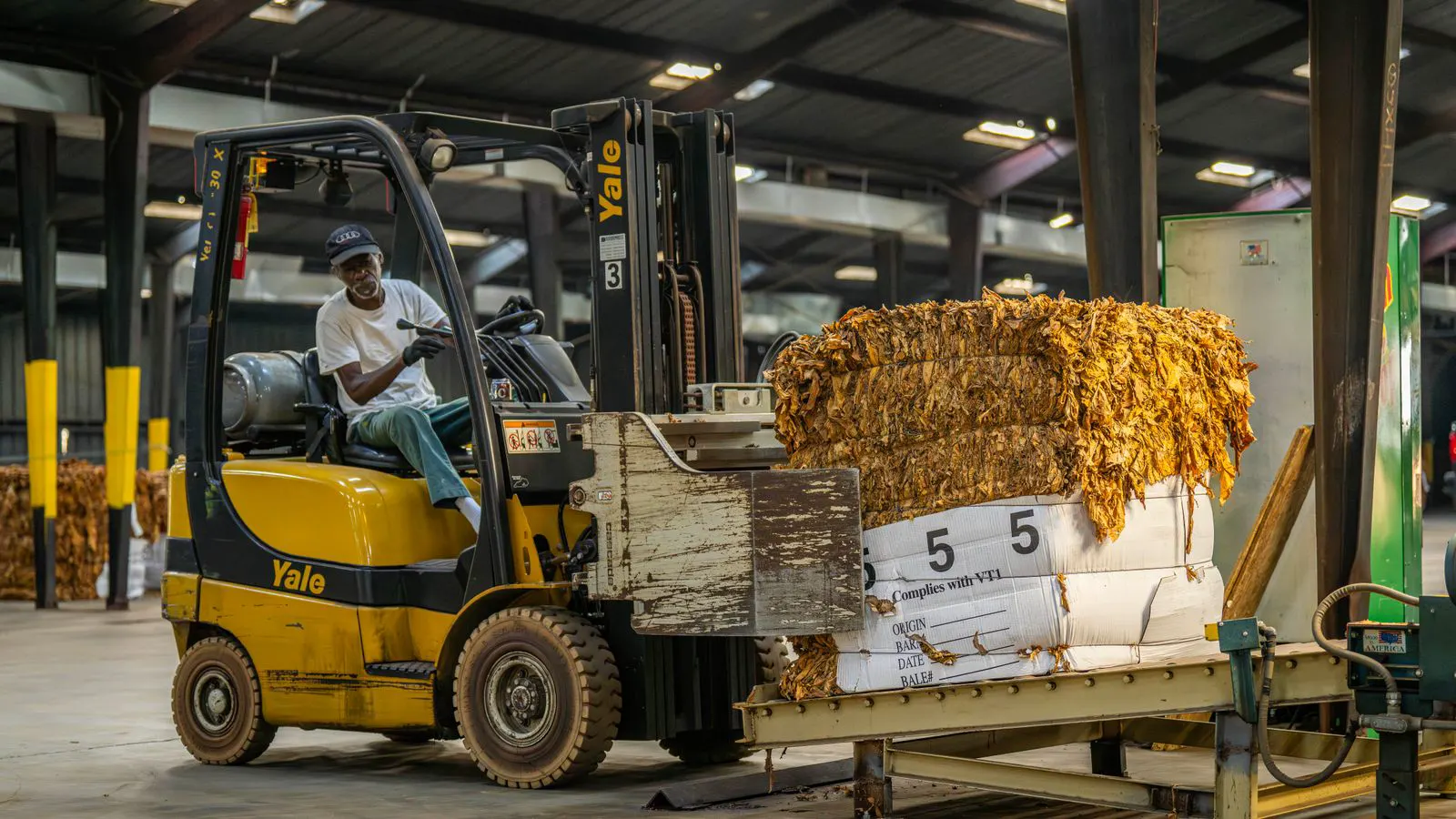
Local forklift dealers offer immediate service and warranty support but charge more. Importers reduce purchase costs but shift maintenance risk to the buyer. The right
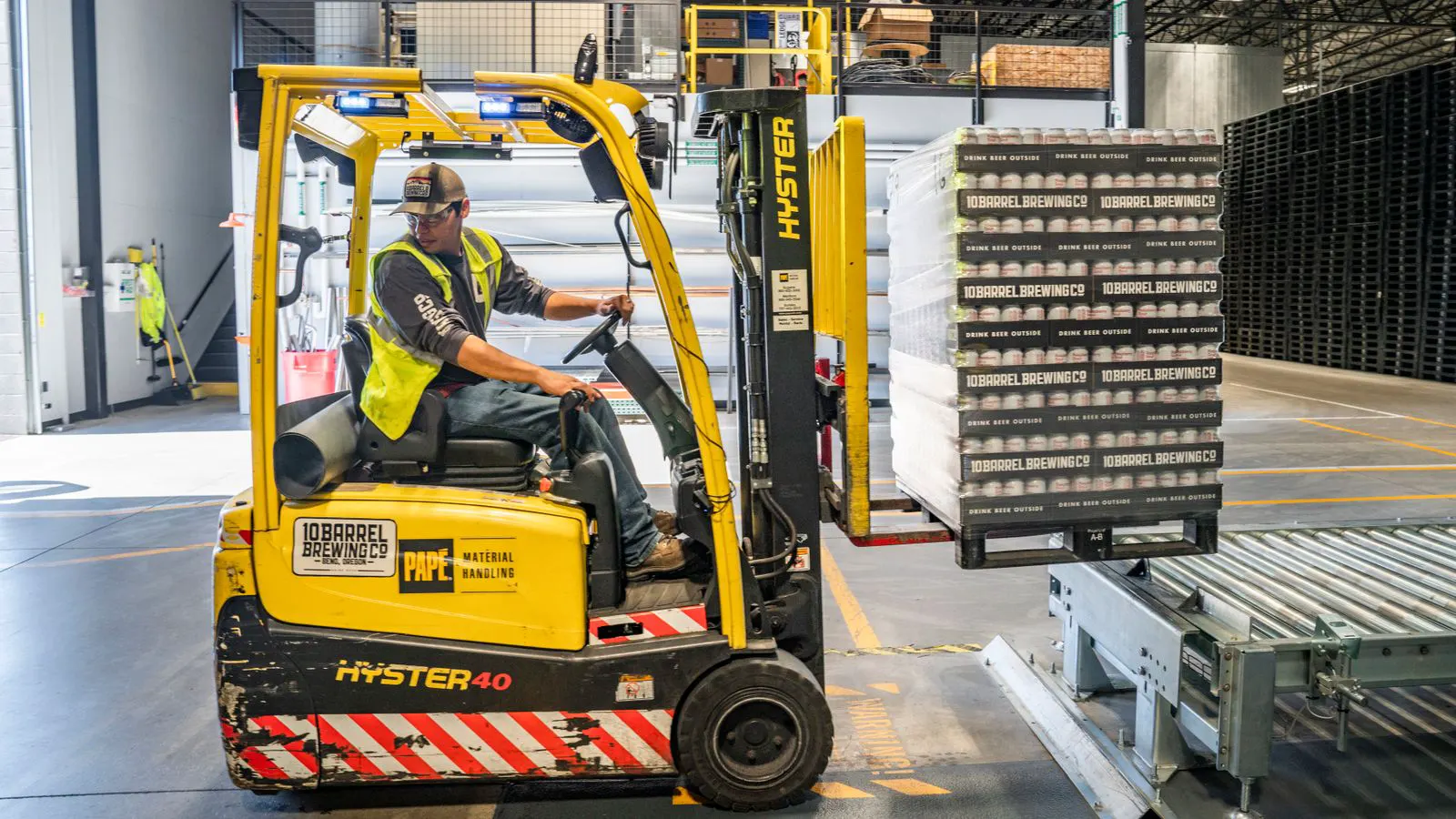
Evaluating forklift total cost of ownership requires comparing purchase, rental, and lease structures. The choice depends on usage intensity, fleet size, and capital

Forklift battery sulfation can be reversed if caught early. This guide covers identifying symptoms, checking water levels, using equalization charging, and balancing
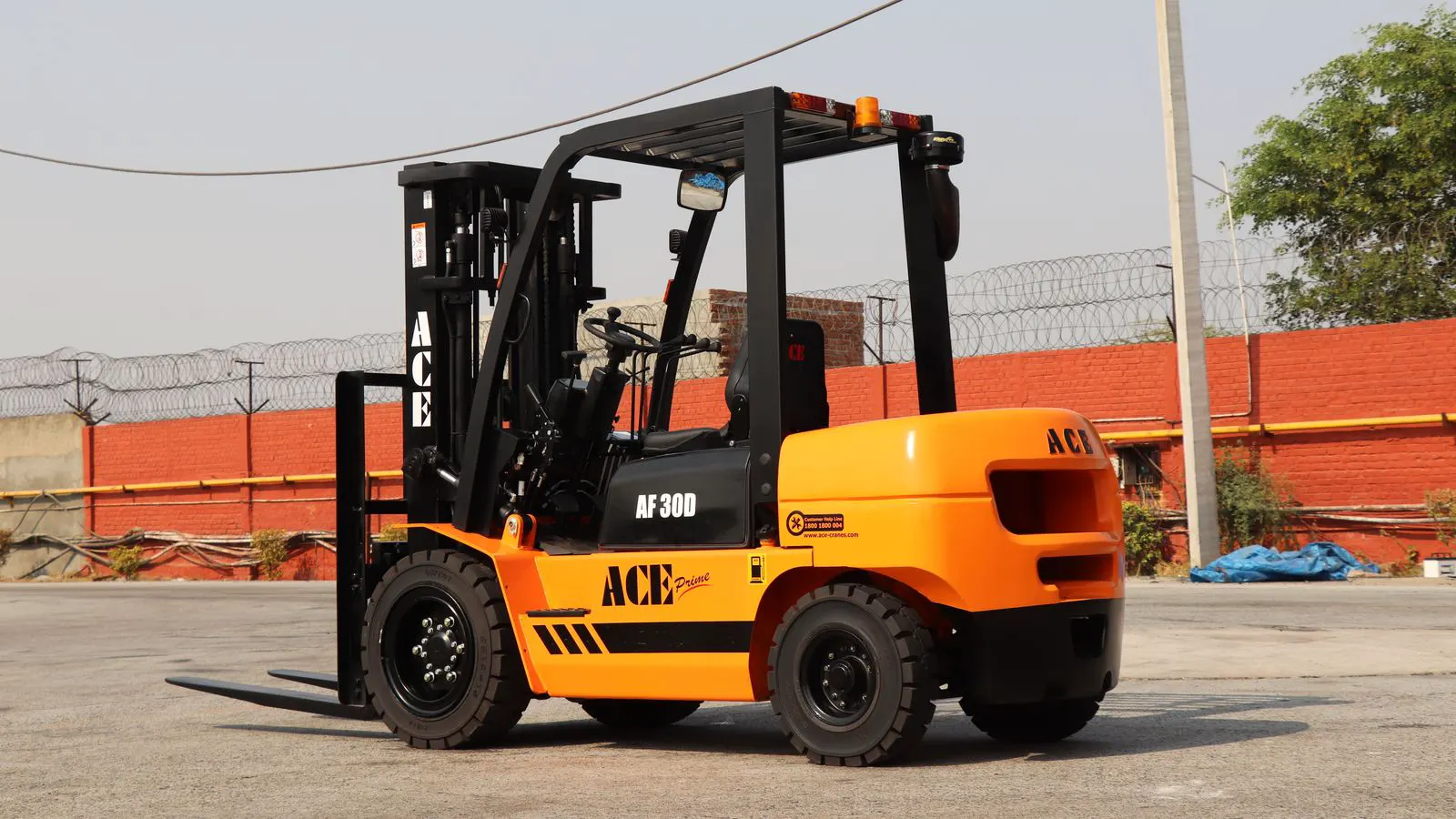
This checklist provides eight practical steps to audit an IC forklift fleet and reduce diesel consumption. It covers mechanical health, operator habits, load management
Consider the operating environment, duty cycle, fueling or charging time, and noise restrictions. Electric trucks suit indoor or closed facilities with reliable power. IC trucks often fit outdoor yards or long shifts where fueling is faster.
Check whether the truck handles the attachment weight and stability requirements. Pallet forks, clamp attachments, and side shifters each change center of gravity and lifting capacity.
Battery type changes charging time, lifespan, and labor for maintenance. Lead acid and lithium systems have different service schedules and upfront costs, which affect multi-year budgeting.
Review service response time, parts availability, training support, and warranty terms. A supplier with strong local service often reduces downtime more than a lower purchase price.
Custom configurations and peak season demand can lengthen delivery. Confirm the expected lead time in writing and align it with site upgrades or production peaks.
Inspect for paint damage, test lifting under load, check hydraulic leaks, verify battery health, and review documentation such as serial numbers and compliance certificates.